
Porcelain vs. Ceramic Tile: What is the Difference?
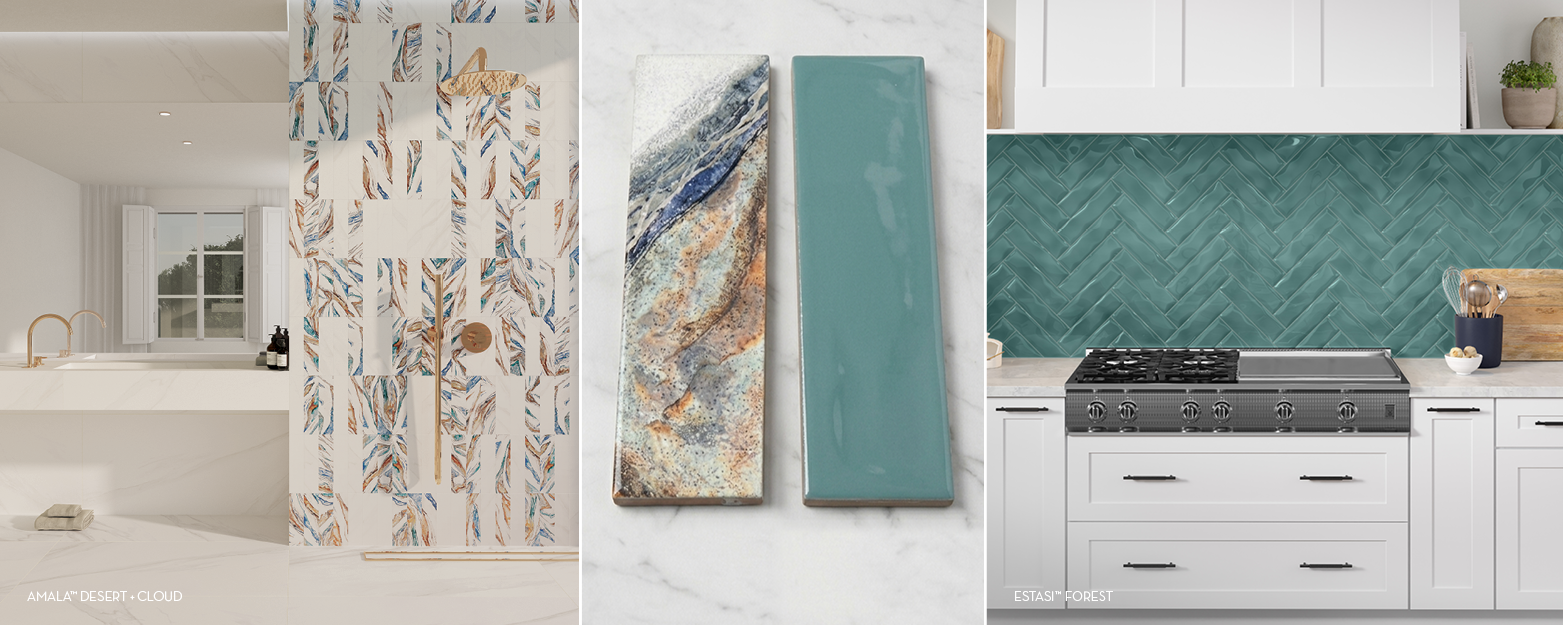
If you’re choosing tile for a kitchen, bathroom, or flooring project, one of the most common questions is: What’s the difference between porcelain and ceramic tile? While they may look similar, porcelain and ceramic tiles differ in durability, water resistance, installation, and ideal use—making the right choice important for long‑term performance.
This guide explains the difference between porcelain and ceramic tile in clear, homeowner‑friendly terms so you can confidently select the best option for your space.
_______________________________________________________________________________________
What Is the Difference Between Porcelain and Ceramic Tile?
Porcelain tile is denser, less porous, and more durable than ceramic tile, making it better suited for floors, wet areas, and outdoor use. Ceramic tiles are lighter, easier to install, and ideal for walls and decorative applications.
Both tiles are made from clay and natural materials, but they are manufactured differently, which affects how they perform.
_______________________________________________________________________________________
What Is Porcelain Tile?
Porcelain tile is made from refined clay and fired at extremely high temperatures. This process creates a dense, hard tile that is highly resistant to moisture, stains, and wear.
Key Benefits of Porcelain Tile
- Very low water absorption (≤0.5%), making it ideal for bathrooms, showers, and outdoor spaces
- Exceptional durability, suitable for high‑traffic residential and commercial areas
- Low maintenance, requiring minimal upkeep over time
- Authentic visuals, including marble-look, wood-look, stone-look, and concrete-look designs
Because of its strength and performance, porcelain tiles are commonly used for floors, entryways, kitchens, patios, and wet areas.
_______________________________________________________________________________________
What Is Ceramic Tile?
Ceramic tile is made from natural clay fired at lower temperatures than porcelain. It typically has a glazed surface that adds color, pattern, and surface protection.
Key Benefits of Ceramic Tile
- More budget-friendly than porcelain
- Easier to cut and install, especially for wall applications
- Wide design variety, including decorative patterns, mosaics, and bold colors
- Lightweight, making it ideal for vertical installations
Ceramic tiles are a popular choice for backsplashes, bathroom walls, fireplace surrounds, and accent walls.
_______________________________________________________________________________________
Porcelain vs. Ceramic Tile: Quick Comparison
Porcelain Tile
- Denser and heavier
- Extremely water resistant
- Best for floors, wet areas, outdoors
- Higher durability
- More challenging to install
Ceramic Tile
- Less dense and lighter
- Moderate water resistance
- Best for walls and decorative areas
- Easier installation
- More budget‑conscious
_______________________________________________________________________________________
Which Tile Is Better: Porcelain or Ceramic?
There is no single “better” tile—the best choice depends on how and where the tile will be used.
Choose Porcelain tile if:
- The space has high foot traffic
- The area is exposed to moisture or weather
- You want maximum durability and longevity
Choose Ceramic tile if:
- The project is primarily decorative
- The tile will be installed on walls or backsplashes
- You want more design flexibility at a lower cost
_______________________________________________________________________________________
Porcelain and Ceramic Tile Designs from Emser
At Emser Tile, both porcelain and ceramic collections are designed to deliver performance without compromising style. Emser porcelain tiles offer advanced manufacturing, realistic natural‑material visuals, and exceptional durability, while Emser ceramic tiles bring artistic detail, color, and versatility to vertical and decorative spaces.